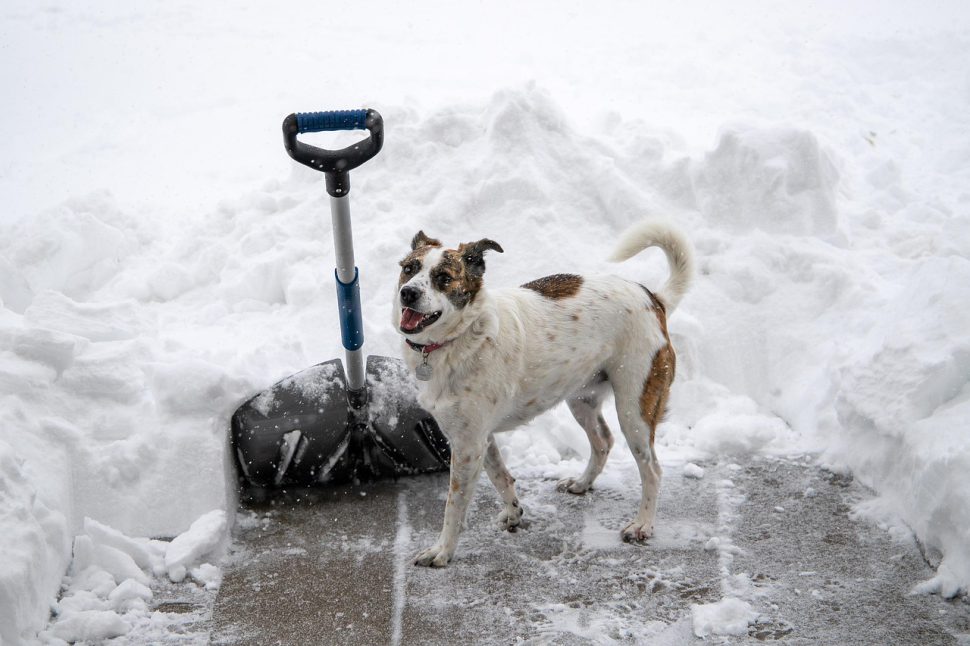
The first real snowfall of the season in the Lower Hudson Valley usually means a driveway, a sidewalk and a car to dig out. For many people it is just a chore. But for some, shoveling heavy snow in the cold can put serious strain on the heart.
This guide explains why snow shoveling is hard on the heart, who should think twice before picking up a shovel, how to clear snow more safely, and the warning signs of a heart attack, stroke and hypothermia. It is general information, not medical advice. If you have a heart condition, talk with your doctor before the snow flies.
Why shoveling is hard on the heart
The American Heart Association (AHA) says shoveling snow can raise the risk of a heart attack or sudden cardiac arrest (AHA, January 2024). A few things combine:
- It is heavy arm work. Lifting with your arms taxes the heart more than leg work like walking.
- People hold their breath while lifting, which raises heart rate and blood pressure.
- Cold air narrows blood vessels, which raises blood pressure and can narrow the arteries that feed the heart.
- It happens fast. The AHA cites a study in which heart rates went above 85% of maximum after just two minutes of shoveling.
Heavy, wet snow makes all of this worse. The AHA notes that cold weather adds strain on the heart, especially with sudden exertion like lifting a heavy shovelful or walking through deep, wet snow (heart.org). Wind matters too: at 30°F with a 30 mph wind, the cooling effect is about the same as 15°F.
Who is at higher risk
According to the AHA, people at higher risk include those who:
- have had a heart attack, stroke, bypass surgery or angioplasty
- have high blood pressure, high cholesterol or diabetes
- smoke now or used to smoke
- are not physically active most of the week, or carry extra weight
The AHA’s advice is simple: if you have known or suspected heart disease or risk factors, have someone else clear the snow. Older adults and children also lose heat faster and may not notice they are getting too cold (heart.org).
Safer ways to clear snow
Tips from the AHA and its cold weather guidance:
- Use a snow blower if you can. The AHA says using one raises heart rate to about 120 beats per minute, compared with about 170 for shoveling.
- Start slowly and pace yourself. Take frequent breaks and pay attention to how your body feels.
- Push, don’t lift. Push or sweep snow instead of lifting and throwing it.
- Dress in layers. Wear a hat and gloves, and cover your mouth and nose.
- Skip the alcohol. The AHA says not to drink alcohol before or right after shoveling, because it can make you feel warmer than you are and underestimate the strain.
- Take extra care on windy days.
- Talk to your doctor first if you are planning a big jump in cold-weather activity.
Heart attack warning signs
Stop right away if you feel chest pain or pressure, lightheadedness, or a racing or irregular heartbeat. If symptoms don’t go away shortly after you stop, call 911 (AHA).
The AHA lists these heart attack warning signs:
- Chest discomfort: pressure, squeezing, fullness or pain in the center of the chest that lasts more than a few minutes or goes away and comes back
- Discomfort in other areas: one or both arms, the back, neck, jaw or stomach
- Shortness of breath, with or without chest discomfort
- Other signs: a cold sweat, nausea, unusual tiredness or lightheadedness
Women most often have chest pain too, but they may more often also have shortness of breath, nausea or vomiting, pain in the shoulder, back or arm, and unusual tiredness. Call 911 right away, even if you are not sure. Paramedics can start treatment on the way to the hospital (heart.org).
If someone collapses
If a person collapses and is not responding, call 911 and start Hands-Only CPR: push hard and fast in the center of the chest (heart.org). The 911 operator can talk you through it.
Stroke warning signs
Cold weather and high blood pressure are a reason to know the signs of stroke too. The CDC uses BE FAST (CDC):
- B, Balance: sudden dizziness or loss of balance
- E, Eyes: sudden trouble seeing
- F, Face: one side of the face droops when smiling
- A, Arms: one arm drifts down when both are raised
- S, Speech: slurred or strange speech
- T, Time: call 911 right away and note the time symptoms started
Don’t drive yourself or have someone drive you. The CDC says paramedics can start treatment on the way.
Hypothermia and frostbite
Hypothermia happens when body temperature drops below 95°F, and it can be deadly (heart.org). The CDC lists warning signs in adults: shivering, exhaustion, confusion, fumbling hands, memory loss, slurred speech and drowsiness. Babies may have bright red, cold skin and very low energy. If a person’s temperature is below 95°F, get medical help right away.
Frostbite often starts with redness or pain, then a white or grayish-yellow patch of skin that feels firm or waxy, or numbness. Because the skin goes numb, people may not notice it (CDC).
Get ready before the first storm
- If you have heart disease, high blood pressure or diabetes, ask your primary care doctor or cardiologist whether shoveling is safe for you.
- Line up help: a neighbor, a family member or a snow removal service.
- Learn hands-only CPR.
- Read our guide on when to see a cardiologist.
You can search LoHud Doctors or browse cardiologists in Westchester, Rockland, Putnam or the Bronx.
In an emergency, call 911. Don’t wait to see if chest pain or stroke symptoms go away.
Sources
- American Heart Association: Snow shoveling, cold temperatures combine for perfect storm of heart health hazards (January 2024)
- American Heart Association: Cold Weather and Cardiovascular Disease
- American Heart Association: Warning Signs of a Heart Attack
- CDC: Signs and Symptoms of Stroke
- CDC: Winter Weather, Preventing Hypothermia and Frostbite